
ACCESS CARDS AND KEYFOBS
- The “Keyless” Lifestyle (The Hook)
Stop managing heavy keychains and worrying about lost keys. RFID turns access into a seamless “tap-and-go” experience. Whether it’s a sleek card in a wallet or a durable fob on a car key, entry is instant, contactless, and professional.
- Full Control, Zero Stress (Security)
Traditional keys can be copied at any hardware store without your knowledge. RFID credentials are encrypted and impossible to duplicate easily. If an employee leaves or a resident loses their fob, you don’t need to change the locks—you simply deactivate the old ID in seconds and issue a new one.
- Visibility is Power (Audit Trails)
Know exactly who entered your building and when. RFID systems act as a silent digital logbook.
-
- For Business: Track staff attendance and restricted area access.
- For Residential: Monitor visitor entries and enhance the safety of common areas like gyms or pools.
- Future-Proof Scalability (Growth)
A single system can grow with you. Start with one door today and add 100 more tomorrow. Because it’s digital, you can manage multiple locations from one central dashboard or even your smartphone via WiFi-enabled models like the F-F7DW or F-F1W.
- Professional First Impression (Aesthetic)
Replace bulky, rusted padlocks with modern, backlit touch-keypads (like the FELIX, FT-15ND) or slim, hidden readers. It signals to your clients and visitors that you value technology and high-end security.
- The “Safety First” Integration
In an emergency, an RFID system is your best friend. Unlike manual locks that might be fumbled in a panic, these systems can be linked to your fire alarm to automatically unlock all exits, ensuring a safe and rapid evacuation.
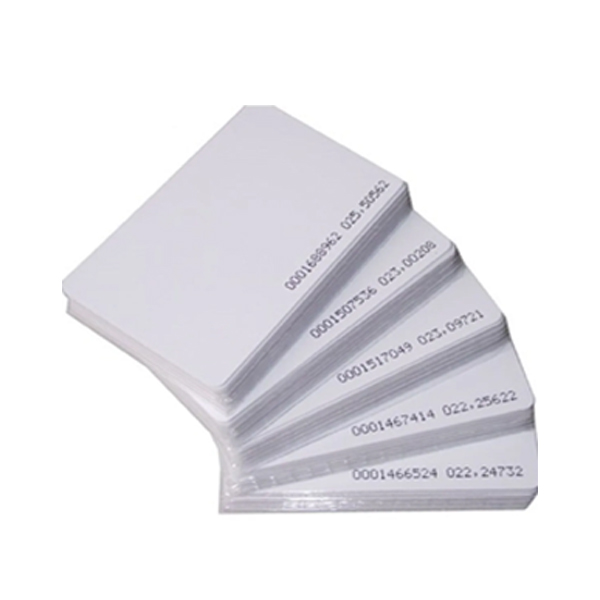
FD-5C
Standard Dimensions: At 0.8mm thick, these cards fit perfectly into wallets, card holders, and standard badge reels.
Flexible but Durable: Made of high-quality PVC that can bend slightly without snapping, making them more comfortable for employees to carry in pockets
Passive & Long-Lasting: With no internal power source to fail, these cards can retain data for up to 10 years
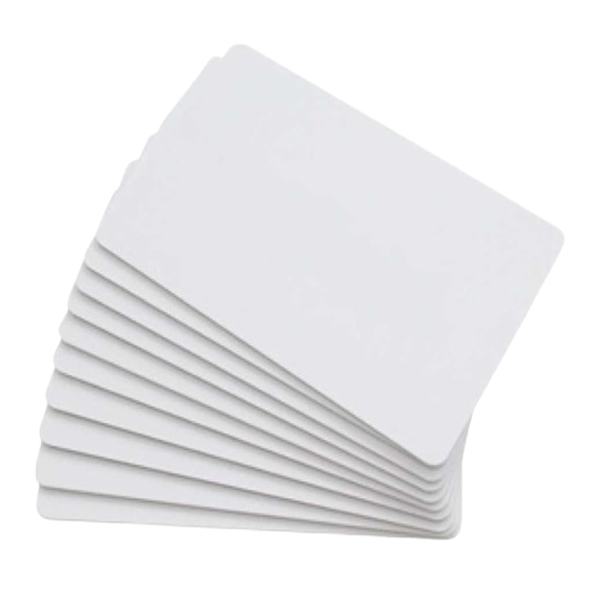
FC-6C
Operating Frequency: Standardized at 13.56 MHz, complying with the ISO/IEC 14443A protocol.
Encrypted Communication: MIFARE ICs support advanced encryption like AES-128 or 3DES, which secures data during transmission to prevent skimming.
Multi-Application Storage: Memory is partitioned into secure sectors, allowing one card to store various credentials simultaneously
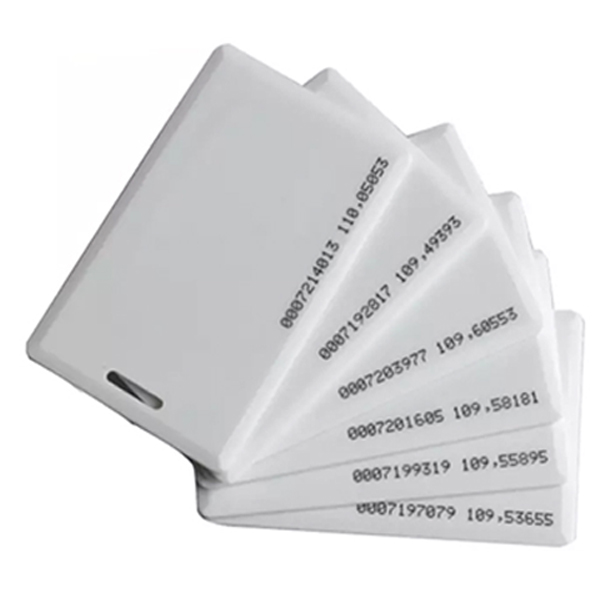
FD-5T
Rugged Construction: They feature a two-part design, usually a hard ABS plastic shell combined with a PVC layer to protect the internal 125Khz RFID antenna and chip.
Built-in Slot Punch: Most thick cards come with a pre-punched vertical slot, allowing them to be attached directly to lanyards.
Environmental Resistance: Their rigid chassis makes them immune to bending and cracking
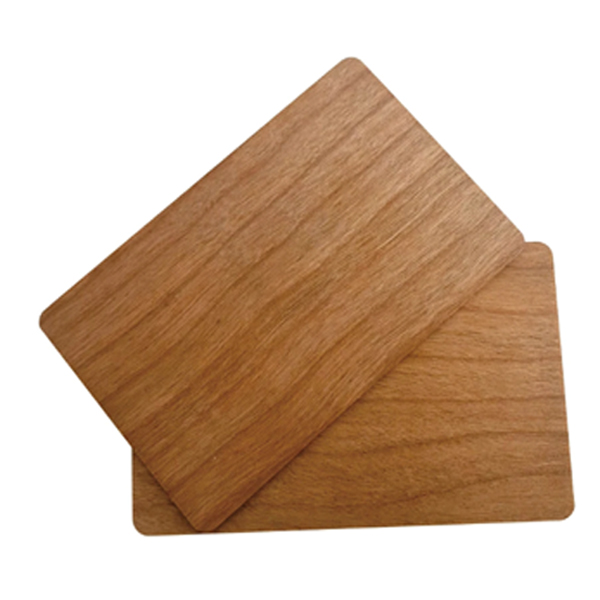
FD-5W
Eco-Friendly & Sustainable: Crafted from renewable materials like Bamboo, Maple, Walnut, Cherry, and Sapele. Most high-quality wooden cards are FSC certified, ensuring they come from responsibly managed forests
Premium Customization: Wood allows for high-end laser engraving, which creates a deep, tactile texture that doesn’t fade. They also support UV and offset printing for vibrant colored logos.
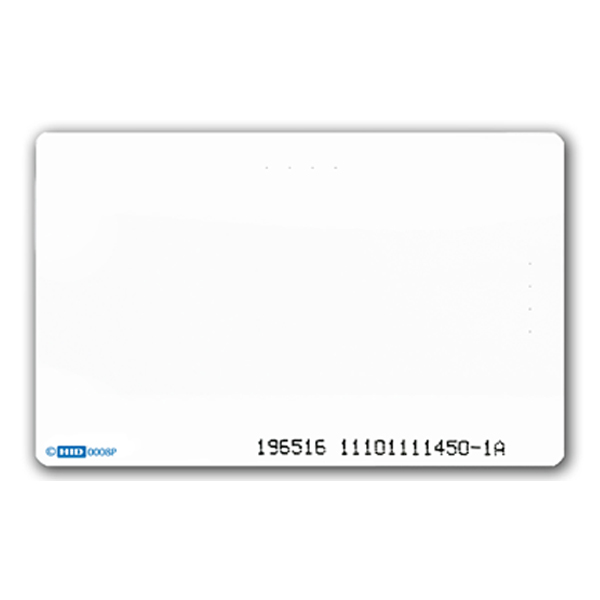
F-HID
Wiegand Compatibility: These cards use the standard Wiegand interface, making them compatible with virtually all legacy door access systems globally.
The ProxCard II is known for its rugged, thick construction that resists bending and harsh weather conditions.
Pre-Configured IDs: Most come with a factory-programmed unique User ID and Code
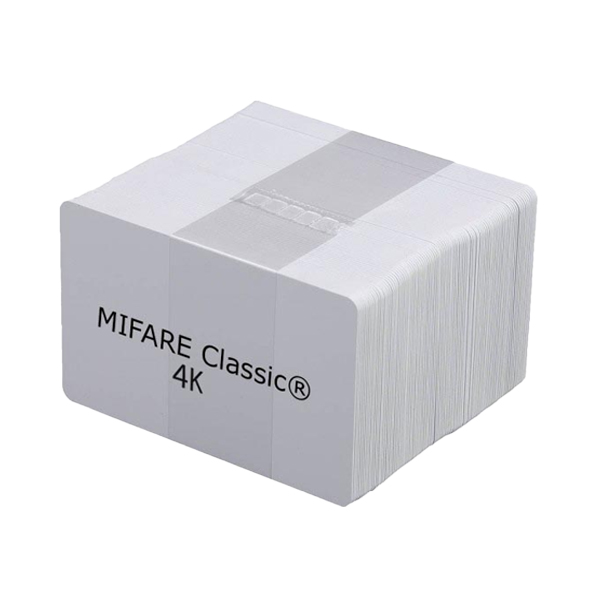
FC-6K4
A 4K MIFARE card (specifically the MIFARE Classic 4K) is an upgraded version of the standard 1K card, offering four times the data storage capacity. It is a 13.56 MHz high-frequency RFID card primarily used for complex systems that require multiple applications or more detailed user data on a single credential.
Memory Capacity: 4 KB (4096 bytes) of EEPROM.
Sectors 32–39: 16 blocks
EM-MIFARE
EM MIFARE Combo Card (also known as a dual-frequency or hybrid card) contains two separate RFID chips and antennas inside a single plastic card. This allows one card to work with two completely different systems: a low-frequency (LF) 125kHz EM reader and a high-frequency (HF) 13.56MHz MIFARE reader
Printability: Most versions feature a glossy PVC surface suitable for thermal, retransfer, or inkjet ID card
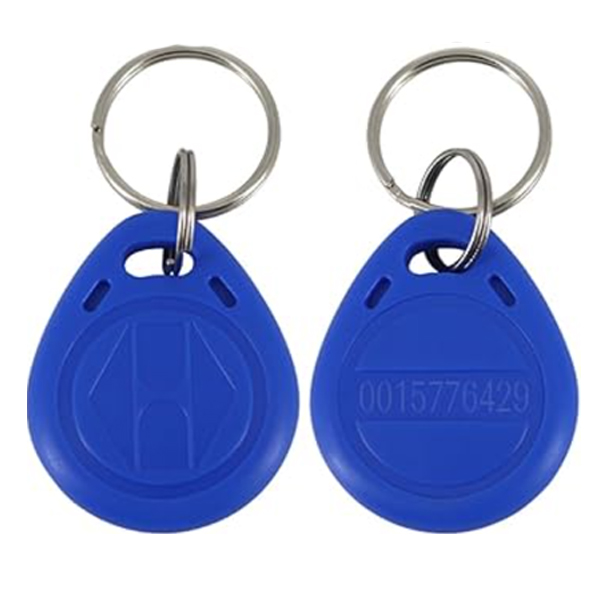
FD-3
A 125kHz keychain card (often called a “proximity tag” or “key fob”) is a low-frequency RFID device primarily used for basic access control
Operating Frequency: 125 kHz (Low Frequency).
Read Range: Typically 0–10 cm (approx. 2–4 inches).
Data Capacity: Usually just a 64-bit unique ID.
Lifespan: Passive technology with a write endurance of 100,000
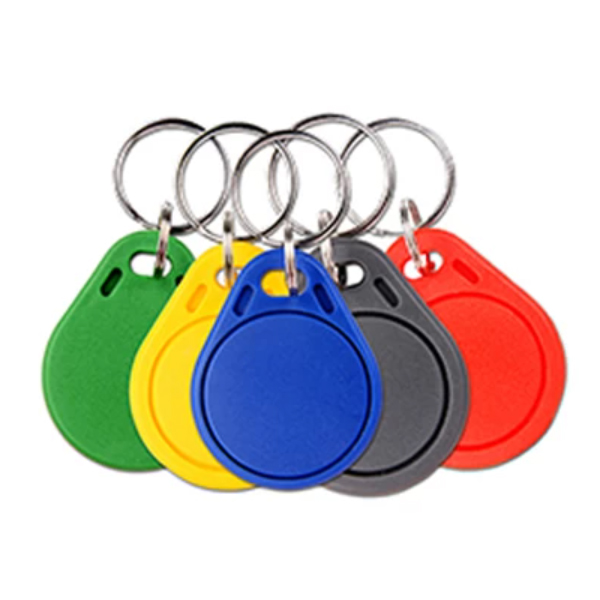
FD-C3
The 13.56 MHz keychain card is a High-Frequency (HF) RFID tag that supports both identification and data storage.
Operating Frequency: 13.56 MHz.
Memory Capacity: 1 KB (1024 bytes) of EEPROM, typically organized into 16 sectors.Protocol: ISO/IEC 14443 Type A.
Lifespan: Passive technology (no battery) with a write endurance of approximately 100,000
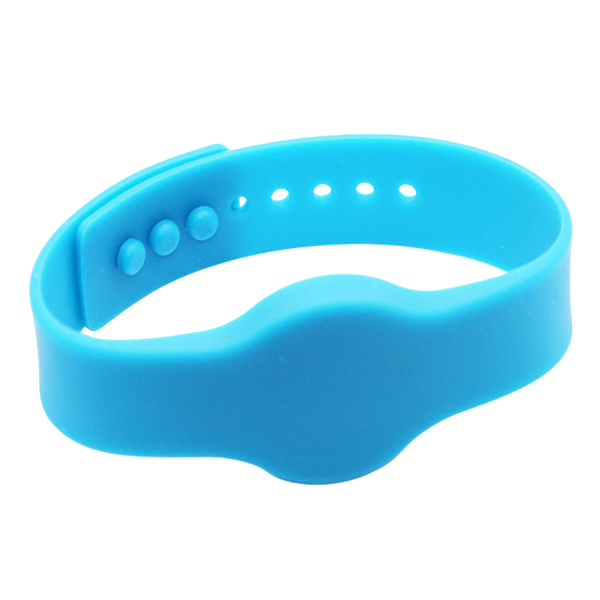
F-BEM
Weatherproof (IP68 Rated) Em proximity (125Khz) Clap Wristband
Frequency: 125 kHz (Low Frequency). Read Range: Typically 0–10 cm, depending on the reader.
Materials: Usually made of waterproof, durable silicone or ABS plastic to protect the internal antenna Fitness & Leisure: Managing locker access or gym entry. Corporate: Employee time-tracking and office building entry.
F-BMF
Weatherproof (IP68 Rated) Mifare (13.56Mhz) Clap Wristband
Operating Frequency: 13.56 MHz.
Memory Capacity: 1 KB (1024 bytes) of EEPROM, typically organized into 16 sectors.Protocol: ISO/IEC 14443 Type A.
Materials: Usually made of waterproof, durable silicone or ABS plastic to protect the internal antenna Fitness & Leisure: Managing locker access or gym entry. Corporate: Employee time-tracking and office building entry.
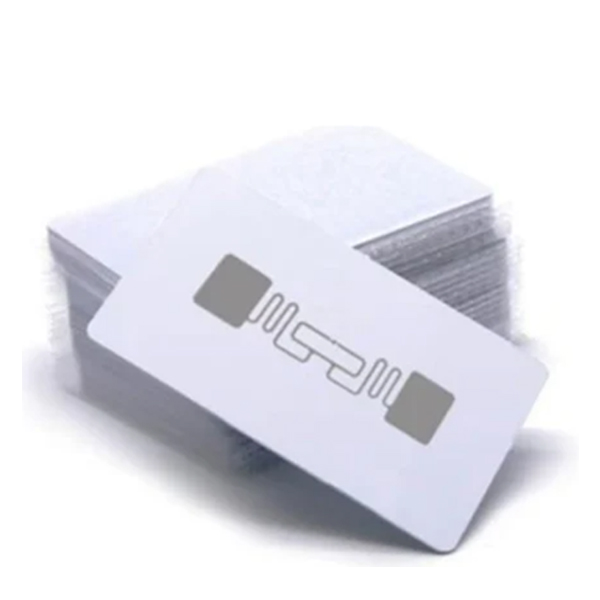
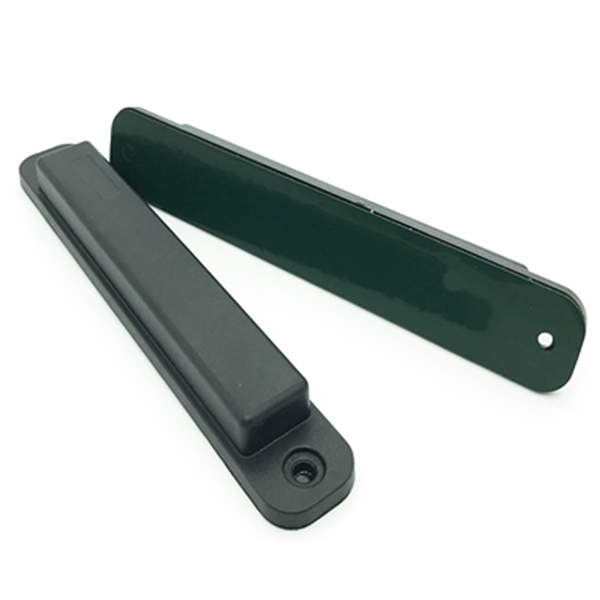
UHF-C
UHF cards (Ultra-High Frequency) are passive RFID devices primarily used for long-range identification, such as vehicle parking access and inventory management. They operate in the 860–960 MHz range and follow the ISO 18000-6C (EPC Gen2) global standard.
UHF cards (EPC Gen2) use a specific memory structure that allows for versatile data management: EPC (Electronic Product Code): A writable area for a unique tracking number. TID (Tag ID): A permanent, factory-locked unique ID that prevents card cloning.
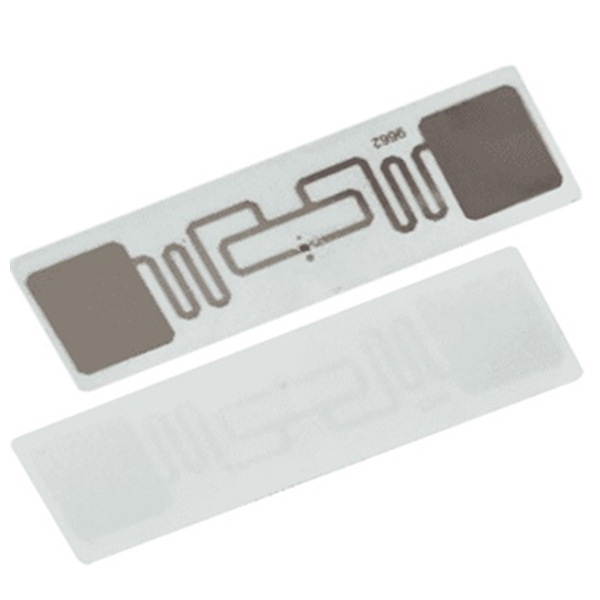
UHF-S
Designed for hands-free identification and logistics. They are typically used for vehicle windshields or inventory tracking.
Read Range: Up to 8–10 meters.
Best For: Vehicle access control, warehouse management, and high-speed item-level tagging.
Printability: Most versions feature a glossy PVC surface suitable for thermal, retransfer, or inkjet ID card printers. Standard Size: Usually follows the ISO CR80 standard (85.6 x 54 mm), fitting standard wallets and ID holders
UHF-H
A 125kHz keychain card (often called a “proximity tag” or “key fob”) is a low-frequency RFID device primarily used for basic access control
Operating Frequency: 125 kHz (Low Frequency).
Read Range: Typically 0–10 cm (approx. 2–4 inches).
Data Capacity: Usually just a 64-bit unique ID.
Lifespan: Passive technology (no battery) with a write endurance of approximately 100,000 cycles
UHF-MF
The 13.56 MHz keychain card is a High-Frequency (HF) RFID tag that supports both identification and data storage.
Operating Frequency: 13.56 MHz.
Memory Capacity: 1 KB (1024 bytes) of EEPROM, typically organized into 16 sectors.Protocol: ISO/IEC 14443 Type A.
Lifespan: Passive technology (no battery) with a write endurance of approximately 100,000 cycles
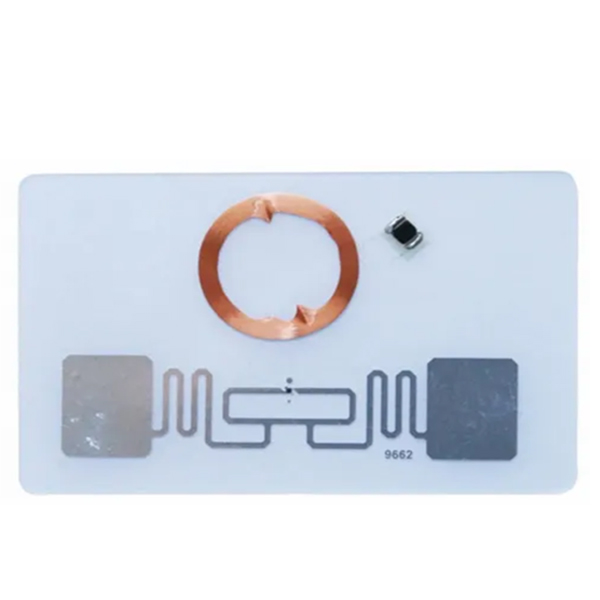
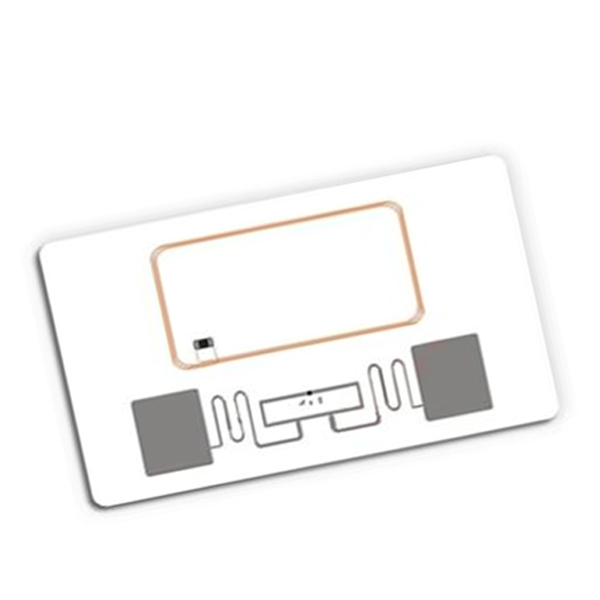
- 125 kHz (LF): Simple “proximity” tech for basic door access. Stable and resistant to interference but lacks encryption.
- 13.56 MHz (HF/NFC): “Smart” tech (like MIFARE) that supports encryption, data storage, and smartphone interaction (NFC).
- Dual Frequency: Combines both 125 kHz and 13.56 MHz chips in one device to bridge legacy and modern systems
Long-range reader cards (typically UHF RFID operating at 860-960 MHz) are specialized credentials designed to be read from a distance of 3 to 15 meters. They prioritize automation and convenience, particularly for vehicle access and “hands-free” personnel tracking.
- Windshield Stickers: Tamper-evident labels that self-destruct if peeled off, preventing unauthorized sharing.
- ISO Combo Cards: A “one-card” solution housing a UHF chip (for long-range parking) and a MIFARE chip/ Proximity Chip (for short-range office doors).
- Hang Tags: Removable tags that hang from rearview mirrors, perfect for visitors or rental fleets.